
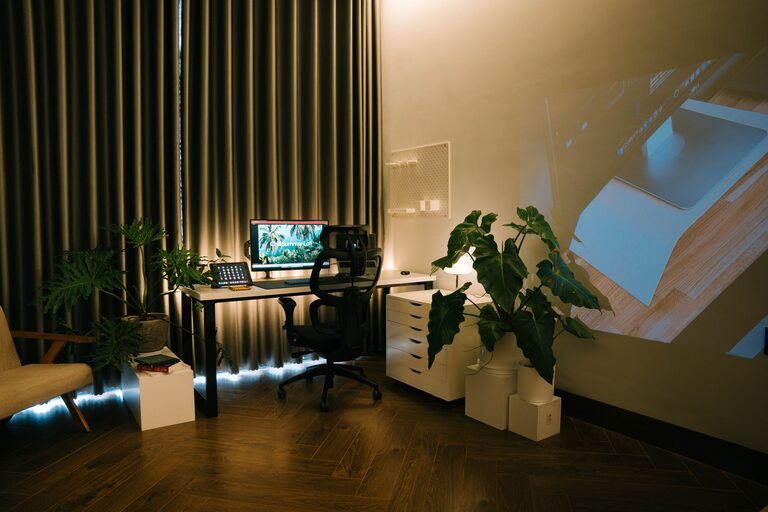
Creating a relaxing home workspace is essential for anyone working remotely or spending significant time at a desk. A well-designed workspace can boost productivity, reduce stress, and make your workday more enjoyable. Whether you have a dedicated room or just a small corner, you can transform it into a calm and inviting area. This guide walks you through practical tips to create a relaxing home workspace that supports your focus and well-being.
Why a Relaxing Workspace Matters
Your environment greatly impacts how you work and feel throughout the day. A cluttered or uncomfortable space can lead to distractions and fatigue. On the other hand, a thoughtfully arranged workspace promotes creativity, reduces anxiety, and helps you maintain a healthy work-life balance. Creating a relaxing workspace is an investment in your comfort and efficiency.
Choose the Right Location
Find a Quiet Spot
Select a part of your home with minimal noise and interruptions. If possible, avoid busy areas like the kitchen or living room during peak times. A quiet corner or spare room can provide the peace needed to focus.
Consider Natural Light
Natural light improves mood and reduces eye strain. Position your desk near a window to benefit from daylight. If natural light is limited, invest in quality lighting that mimics daylight, such as LED desk lamps.
Design for Comfort and Functionality
Invest in Ergonomic Furniture
Comfortable seating and proper desk height are crucial. Choose an ergonomic chair that supports your back and encourages good posture. Your desk should allow your arms to rest comfortably at a 90-degree angle when typing.
Organize with Purpose
Keep your workspace tidy by using shelves, drawers, or storage boxes. Having a place for everything reduces clutter and distractions. Consider cable organizers to prevent tangled cords.
Personalize Your Space
Add personal touches like plants, artwork, or photos that make you feel calm and inspired. Greenery not only beautifies the space but also improves air quality and reduces stress.
Manage Noise and Distractions
Use Noise-Canceling Tools
If you cannot avoid background noise, noise-canceling headphones or white noise machines can help. Soft background music or nature sounds can also create a soothing atmosphere.
Set Boundaries
Communicate your work hours to family or housemates to minimize interruptions. Use visual cues like a closed door or “do not disturb” sign.
Maintain Good Lighting and Air Quality
Layer Your Lighting
Combine natural light with ambient, task, and accent lighting for a balanced effect. Adjustable desk lamps provide focused light for reading or detailed work.
Improve Air Circulation
Keep your workspace well-ventilated by opening windows when possible. Consider adding an air purifier or a small fan to maintain fresh air, which helps you stay alert.
Create a Relaxation Area Nearby
Having a small space for breaks encourages you to step away from work and recharge. This can be as simple as a comfortable chair or a meditation corner with cushions and calming decor.
Incorporate Stress-Reducing Elements
Use Calming Colors
Paint or decorate your workspace with soft, neutral colors like light blues, greens, or warm grays. These hues are known to promote relaxation.
Add Aromatherapy
Scented candles, essential oil diffusers, or incense can create a peaceful environment. Scents like lavender, eucalyptus, or chamomile are especially calming.
Establish a Daily Routine
A consistent work routine helps your mind associate the workspace with productivity and focus. Start with simple rituals like making your bed, tidying the desk, or setting a daily to-do list.
Keep Technology in Check
Declutter Your Digital Space
Organize files and emails regularly to minimize digital distractions. Use apps that block distracting websites during work hours.
Optimize Your Equipment
Ensure your computer, keyboard, and mouse are positioned for comfort. Regularly adjust settings like screen brightness and font size to reduce eye strain.
Final Thoughts
Creating a relaxing home workspace is about balancing comfort, function, and personal style. By choosing the right location, organizing thoughtfully, and adding calming elements, you can build a space that promotes focus and peace of mind. Remember to maintain your space and routines to keep the positive effects going strong. With these tips, your home workspace will become a haven for productivity and relaxation alike.