
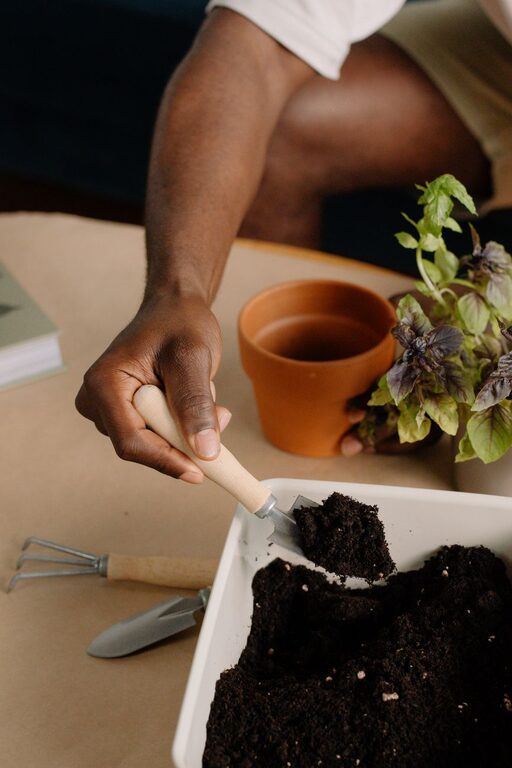
Starting a small herb garden indoors is a rewarding and enjoyable way to bring fresh flavors to your cooking while adding a touch of greenery to your home. Whether you have a spacious kitchen or just a sunny windowsill, growing herbs indoors is achievable with a bit of planning and care. This guide will walk you through everything you need to know to get your indoor herb garden started successfully.
Why Grow Herbs Indoors?
Indoor herb gardening offers several benefits:
– Freshness: Pick herbs right when you need them.
– Convenience: No trips outside or to the store.
– Space-saving: Ideal for apartments or small homes.
– Aromatherapy: Many herbs give off pleasant scents.
– Year-round growth: Indoor conditions protect plants from weather changes.
With these advantages, starting your own indoor herb garden can enhance both your cooking and your living space.
Choose the Right Herbs for Indoors
Not all herbs thrive indoors, but many popular varieties do well in containers with proper care. Some great options include:
– Basil: Needs plenty of sunlight and warmth.
– Parsley: Tolerates moderate light, grows well in pots.
– Chives: Adaptable and easy to grow.
– Mint: Vigorous grower; best kept separate as it spreads.
– Thyme: Prefers bright light and well-drained soil.
– Cilantro: Likes cooler temperatures and indirect light.
– Oregano: Thrives in sunny spots.
Consider which herbs you use most in your cooking and pick a few to start. Starting small helps manage the space and care required.
Selecting Containers and Soil
Containers
Choose pots with good drainage holes to prevent waterlogging, which can harm roots. Common container choices include:
– Clay or terra cotta pots (porous, good for airflow)
– Plastic pots (lightweight, retain moisture longer)
– Recycled containers (make sure to add drainage holes)
Size matters: small pots are fine for herbs like chives and thyme, but larger pots work better for basil or mint to allow root growth.
Soil
Use a high-quality potting mix designed for indoor plants. Avoid garden soil, which may be heavy and compacted. Potting mix should be:
– Well-draining
– Rich in organic matter
– Light and fluffy
You can also mix in some perlite or vermiculite to improve aeration and drainage.
Finding the Perfect Location
Most herbs need 6 to 8 hours of sunlight a day. Here’s how to find a good spot indoors:
– South-facing windows: Usually get the most light, ideal for sun-loving herbs like basil and thyme.
– East or west windows: Provide moderate sunlight, suitable for parsley and cilantro.
– Supplementing light: Use grow lights if natural light is limited. LED grow lights are energy-efficient and adjustable to your plants’ needs.
Keep herbs away from cold drafts, heaters, or vents.
Planting Your Herb Garden
Starting from Seeds vs. Starter Plants
– Seeds: More economical and allow you to grow many herbs, but slower to produce usable leaves.
– Starter plants: Available at nurseries, easier to begin with, and you can harvest sooner.
If starting from seeds, follow the packet’s instructions for planting depth and spacing. Keep soil moist during germination.
Planting Tips
– Fill containers with potting mix, leaving about an inch at the top.
– Plant seeds or seedlings gently.
– Lightly water after planting.
– Label your containers to keep track of different herbs.
Caring for Your Indoor Herb Garden
Watering
Herbs prefer consistently moist soil but dislike being waterlogged. Check by touching the soil’s surface:
– Water when the top inch feels dry.
– Use room temperature water.
– Avoid letting pots sit in water; empty saucers after watering.
Light and Temperature
Maintain bright conditions and room temperatures between 65°F and 75°F (18–24°C). If light is insufficient, supplement with grow lights for 10–12 hours daily.
Fertilizing
Feed herbs every 4-6 weeks with a balanced, water-soluble fertilizer diluted to half strength. Over-fertilizing can reduce flavor intensity.
Pruning and Harvesting
Regular pruning encourages bushier growth:
– Pinch off the tips of stems regularly.
– Harvest by cutting stems above a leaf node.
– Avoid removing more than one-third of the plant at once.
This care keeps your herbs productive and healthy.
Troubleshooting Common Issues
– Yellowing leaves: May indicate overwatering or low light.
– Leggy growth: Usually a sign of insufficient sunlight.
– Pests: Watch for aphids or spider mites. Use gentle insecticidal soap or wipe leaves with a damp cloth.
– Wilting: Check watering habits; roots could be too dry or rotting.
Address problems early for the best results.
Expanding and Enjoying Your Herb Garden
Once you have one or two herbs thriving, consider adding more varieties or experimenting with different containers. You can also try:
– Growing herbs in vertical planters to save space.
– Using your herbs in recipes, teas, or homemade remedies.
– Sharing cuttings with friends.
Indoor herb gardening is a journey that can grow along with your skills and tastes.
—
Growing a small herb garden indoors is a simple, enjoyable hobby that brings fresh food and natural beauty into your home. By selecting the right herbs, providing good light, watering carefully, and tending your plants regularly, you’ll enjoy flavorful, fragrant herbs all year long. Happy gardening!