
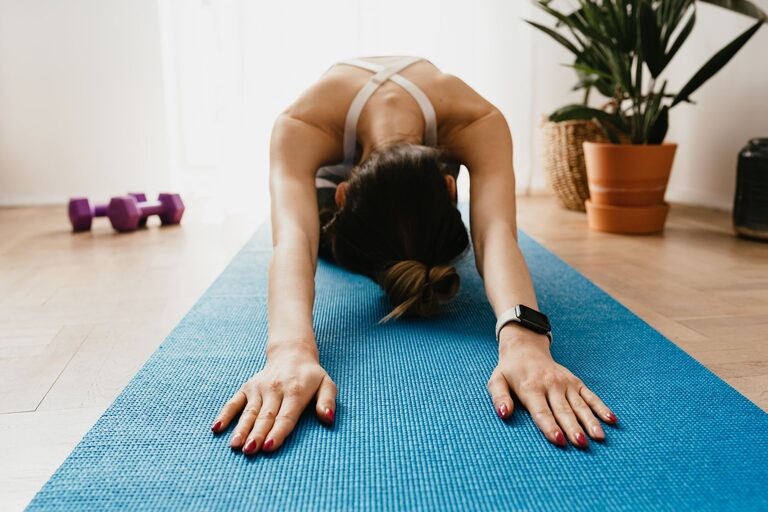
Stretching is a simple yet powerful practice that can benefit your body and mind. Whether you want to improve flexibility, ease muscle tension, or simply relax, stretching at home is accessible and suitable for all fitness levels. This beginner’s guide will walk you through the basics, help you create a safe routine, and share tips to make stretching a rewarding part of your daily life.
Why Stretch at Home?
Stretching at home offers convenience and flexibility. You don’t need special equipment or a gym membership—just a little space and some time. Regular stretching can help:
– Enhance flexibility and range of motion
– Reduce muscle stiffness and soreness
– Improve circulation and posture
– Promote relaxation and reduce stress
– Prepare your body for other exercises
Building a habit of stretching supports overall well-being and can complement any fitness or health routine.
Getting Started: What You Need
Before diving in, here’s what to keep in mind:
– Comfortable Clothing: Wear loose or stretchy clothes that allow movement.
– Space: Find a quiet, clean area with enough room to stretch freely.
– Mat or Soft Surface: Use a yoga mat, carpet, or rug to cushion your joints.
– Hydration: Drink water before and after stretching to stay hydrated.
– Time: Set aside 10–20 minutes to focus on your stretches without rushing.
Basic Stretching Tips for Beginners
Warm Up First
Stretching cold muscles can lead to injury. Spend 3–5 minutes warming up with light activity like walking in place or gentle arm circles.
Hold, Don’t Bounce
Perform static stretches by holding each position steadily for 20–30 seconds. Avoid bouncing, which can strain muscles.
Breathe Deeply
Use slow, deep breaths to relax your body while stretching. This helps improve oxygen flow and reduces tension.
Listen to Your Body
Stretch to a point of mild tension, never pain. If a stretch feels uncomfortable or painful, ease off or try a modified version.
Stretch Both Sides
Balance your routine by working on both the left and right sides of your body evenly.
A Simple Home Stretching Routine for Beginners
Try this gentle sequence to stretch major muscle groups. Repeat 1–2 times based on your comfort.
1. Neck Stretch
– Sit or stand tall.
– Slowly tilt your head to the right, bringing your ear toward your shoulder.
– Hold 20–30 seconds, feeling the stretch on the left side of your neck.
– Repeat on the left side.
2. Shoulder Stretch
– Bring your right arm across your chest.
– Use your left hand to gently press your right arm closer to your chest.
– Hold for 20–30 seconds, then switch arms.
3. Chest Opener
– Clasp your hands behind your back and straighten your arms.
– Gently lift your hands upward while opening your chest.
– Hold for 20–30 seconds, feeling a stretch across your chest and shoulders.
4. Side Stretch
– Stand with feet hip-width apart.
– Raise your right arm overhead and lean to the left.
– Hold for 20–30 seconds, then switch sides.
5. Seated Hamstring Stretch
– Sit on the floor with legs extended straight.
– Reach toward your toes, keeping your back straight.
– Hold for 20–30 seconds, feeling a stretch in your hamstrings.
6. Quadriceps Stretch
– Stand near a wall or chair for balance.
– Bend your right knee and bring your heel toward your buttocks.
– Grab your ankle with your right hand and gently pull.
– Hold for 20–30 seconds, then switch legs.
7. Calf Stretch
– Stand facing a wall.
– Place your hands on the wall at shoulder height.
– Step your right foot back and press your heel into the floor.
– Hold for 20–30 seconds, then switch legs.
8. Lower Back Stretch
– Lie on your back and pull both knees gently toward your chest.
– Hold for 20–30 seconds, focusing on relaxing your lower back.
Tips to Stick With Your Stretching Routine
– Set a Schedule: Pick a consistent time each day—morning or evening works well.
– Start Small: Begin with 5–10 minutes, then gradually increase as you get comfortable.
– Use Reminders: Set alarms or leave notes to encourage daily stretching.
– Make It Enjoyable: Play calming music or stretch while watching your favorite show.
– Track Progress: Notice improvements in flexibility and comfort to stay motivated.
When to Be Cautious
While stretching is generally safe, certain conditions require extra care:
– If you have an injury, consult a healthcare provider before starting a routine.
– Avoid overstretching areas with pain, swelling, or instability.
– Pregnant women should choose stretches suited for their stage and consult a professional.
Conclusion
Stretching at home is a practical and effective way to improve your flexibility, ease muscle tension, and enhance your overall well-being. By following this beginner’s guide, you can develop a safe, simple routine that fits your lifestyle. Remember—consistency and listening to your body are key. Start gently, stay mindful, and enjoy the many benefits stretching brings to your daily life.